What Is a PCV Licence? Category D Explained
A PCV licence is Category D. It lets you drive a bus or coach with more than eight passenger seats. Here is what that involves.
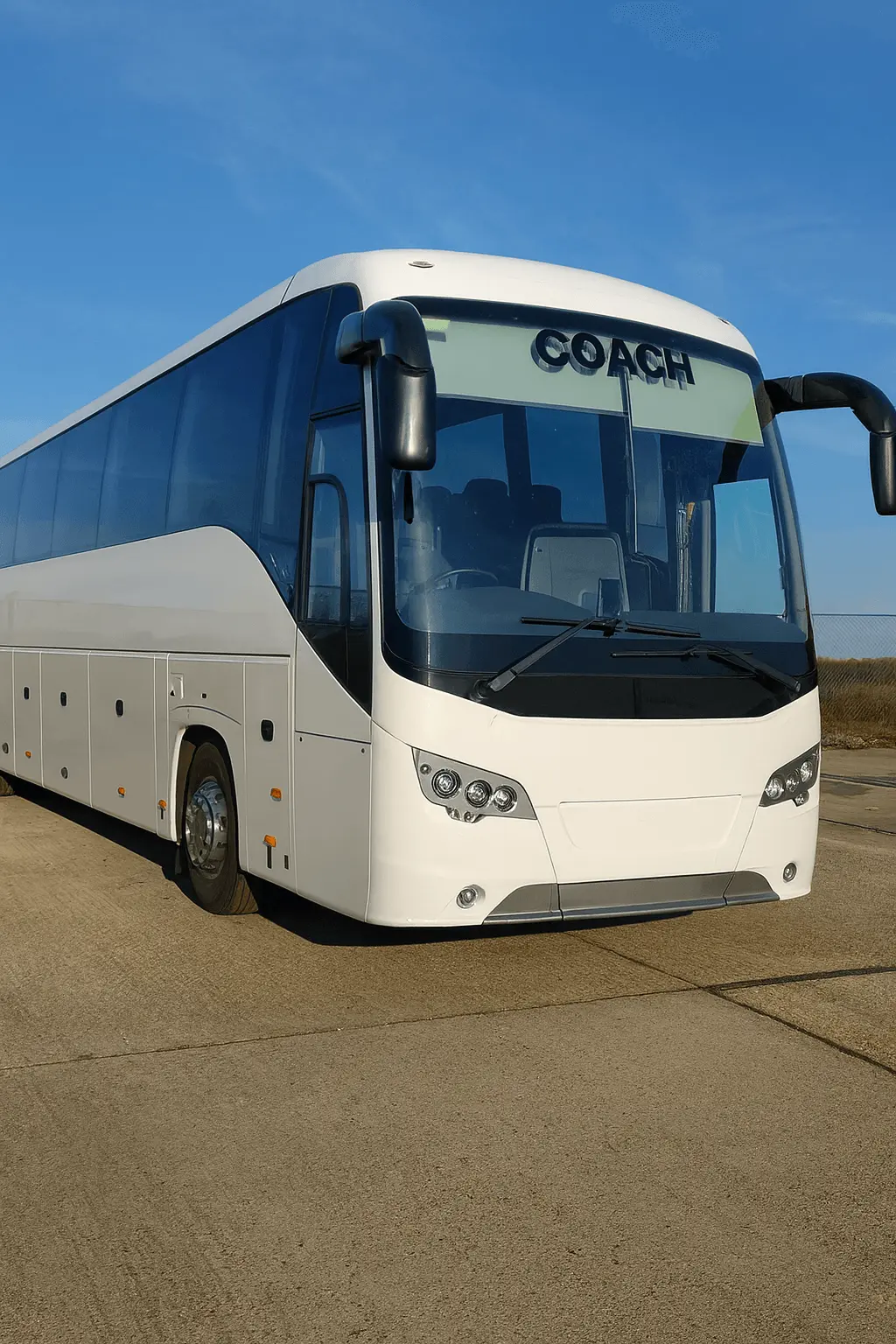
A PCV licence lets you drive a bus or coach with more than eight passenger seats. PCV stands for Passenger Carrying Vehicle. The full version is Category D, and it is what bus operators, coach companies and school transport contractors recruit for.
It is a completely separate licence family from HGV. Holding a lorry licence gives you no passenger entitlement at all, and vice versa.
What can you actually drive on Category D?
Any bus or coach, with any number of passenger seats, plus a trailer up to 750kg. Single deck, double deck, full-size touring coach — all covered.
Category D also contains D1, so a full PCV licence lets you drive minibuses as well. You do not need to take D1 separately if you are going straight to D.
What can't you drive?
Lorries. Goods vehicles over 3.5 tonnes need Class 2 or Class 1, which are separate tests on a separate route.
You also cannot pull a trailer over 750kg behind a bus or coach without D+E, which is an additional test and rarely needed outside specialist operations.
PCV, Cat D licence or bus licence — what is the difference?
Nothing meaningful. PCV is the licence family, Category D — the “Cat D licence” in job adverts — is the specific entitlement, and “bus licence” or “coach licence” is what most people say.
Older drivers may remember PSV — Public Service Vehicle — which was the previous term. If you see PSV in an advert, they mean PCV.
Do I need an HGV licence first?
No. PCV is its own route and you can go straight to Category D from a car licence. There is no requirement to hold Class 2, and no advantage to it beyond general vehicle experience.
D or D1 — which do I need?
Take D1 if you will only ever drive a minibus of up to 16 passenger seats. School transport, care homes, community groups, charity work.
Take Category D if you want to drive commercially for a bus or coach operator. Almost every scheduled service, coach tour and school contract role asks for full D, because operators want drivers who can be put on any vehicle in the fleet.
Full D costs more than D1 but opens a far larger job market. If professional driving is the goal, D is the one to take.
How much does a PCV licence cost?
Our training price is £1,295 + VAT, or £1,709 all in including the DVSA off-road exercises and on-road driving tests.
Your D4 medical and theory test fee sit on top. Finance is available through Snap Finance. Full figures on our courses and pricing page.
How do you get a PCV licence?
1. Be 18 or over and hold a full UK car licence. Under 24 there are restrictions on the routes you can drive until you hold full Driver CPC.
2. Pass a D4 medical. The standard is the same as for lorries — eyesight, blood pressure and general fitness.
3. Apply for provisional PCV entitlement on the D2 form, sent to the DVLA with your D4.
4. Pass the theory test — multiple choice and hazard perception for PCV, plus Driver CPC Part 2 case studies.
5. Train and pass the practical test — off-road manoeuvres and an on-road drive, plus Driver CPC Part 4.
The paperwork is identical to the HGV route. If you have already done a lorry medical and provisional application, you will recognise all of it.
How long does it take?
Five days of training at our Sittingbourne centre, once the medical, provisional application and theory test are complete. Six to ten weeks from first enquiry is realistic, and most of that wait is DVSA test availability.
What do bus and coach drivers earn?
Scheduled bus work in Kent and the South East generally pays less than artic driving but offers more predictable hours and more nights at home. Coach and touring work varies enormously with the season and can pay well in summer.
The trade most drivers describe is steadier routine and dealing with passengers, against the higher ceiling of long-distance haulage. Some people much prefer it.
Frequently asked questions
Is PCV the same as PSV?
Yes. PSV was the old term, PCV is the current one. They describe the same licence.
Can I drive a coach on a D1 licence?
No. D1 stops at 16 passenger seats. A full-size coach needs Category D.
Do I need Driver CPC to drive a bus?
Yes, for professional driving. You need a valid Driver Qualification Card alongside the licence. Driver CPC has not been scrapped, despite the headlines.
Is the PCV test harder than HGV?
Different rather than harder. Buses are long but you are not managing a trailer, so reversing is more predictable than Class 1. Passenger comfort — smooth braking, careful positioning — counts for more on test.
Does a PCV licence expire?
The entitlement is renewed at 45 and every five years after, with a medical each time. Driver CPC needs 35 hours of periodic training every five years separately.
Where to start
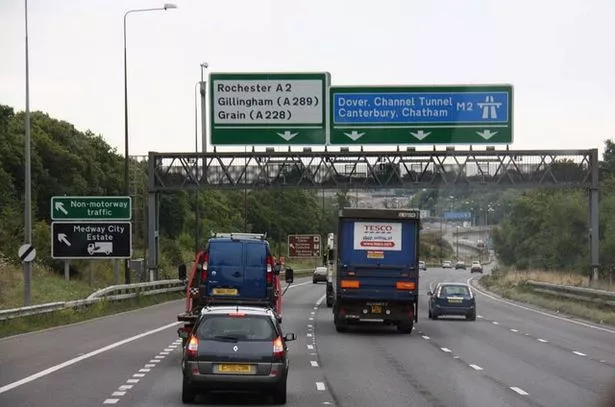
Our PCV Category D course is five days of one-to-one training on full-size coaches at our Sittingbourne centre, testing at Gillingham on routes you have already driven. We handle the medical, the D2 paperwork and the test bookings, and we introduce you to operators when you pass.
Call 01795 667 008 and we will talk you through whether D or D1 fits what you actually want to drive.