From Licence to Employment: How New HGV Drivers in Kent Secure Work After Passing Their Test
How new HGV drivers in Kent secure employment after passing, and what employers actually look for in 2026.
.jpg)
Passing your HGV test is a major achievement. For many drivers it represents a career change, increased earning potential and long term stability. However, holding a Category C or C plus E licence does not automatically result in employment. In Kent and the wider South East, transport managers recruit based on risk, preparation and reputation. The quality of your training and the credibility of the provider behind you play a significant role in how quickly you move from newly qualified to employed.
The Kent HGV Employment Market in 2026
Kent remains one of the busiest logistics regions in the country due to its proximity to London, Dover, the Channel Tunnel and major regional distribution centres. Demand exists across multiple sectors including general haulage, pallet networks, supermarket distribution, container work and regional multi drop operations. Employers are actively recruiting, but they are selective.
Transport managers operate under commercial pressure. They must protect their operator licence, control insurance premiums and minimise vehicle damage. As a result, newly qualified drivers are assessed carefully. Employers are not simply asking whether you passed. They want to know how and where you trained.
What Employers Actually Look For in Newly Qualified Drivers
Recruitment decisions are influenced by more than licence category. In practice, employers focus on four core areas.
Vehicle Standard Used During Training
Training on a full size articulated vehicle that mirrors real world fleet dimensions significantly improves a driver’s confidence and competence. Employers understand the difference between candidates trained on shortened combinations and those who have manoeuvred a full length trailer in realistic conditions. From an operational perspective this affects yard safety, trailer positioning accuracy and overall driver confidence in the first weeks of employment.
Reversing and Yard Awareness
Passing the DVSA reversing exercise demonstrates technical ability. Employment requires operational confidence in live environments. Depots, industrial estates and distribution centres present tighter angles, time pressure and moving hazards. Drivers who have practised reversing in realistic yard settings adapt more quickly and reduce early stage risk for employers.
Compliance and Professional Standards
Modern haulage businesses are compliance driven. Employers expect working knowledge of driver hours regulations, tachograph rules, daily walkaround checks and defect reporting procedures.
A newly qualified driver who understands these responsibilities signals professionalism and maturity. This reassures transport managers who are accountable for regulatory compliance.
Attitude and Reliability
Punctuality, communication skills and presentation matter. The first month of employment determines whether a new driver becomes a retained team member or a short term hire. Employers consistently report that reliability and willingness to learn are decisive factors.
The Insurance Consideration That Affects New Drivers
Some operators operate under insurance policies that impose experience or age conditions, particularly for articulated vehicles. This does not prevent new drivers from securing work, but it increases the importance of trusted training backgrounds. Employers are more comfortable onboarding newly qualified drivers when they recognise and trust the provider that trained them.
The Role of Employment Partnerships
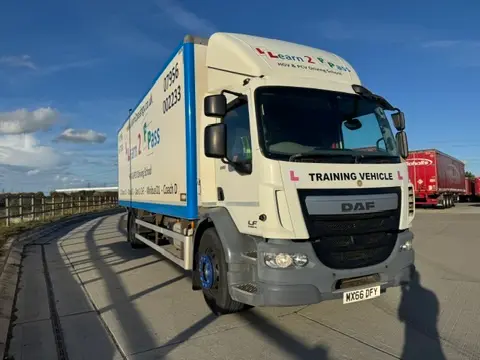
Training with a provider that maintains established relationships with regional operators can significantly strengthen a driver’s pathway into work. At Learn2Pass we maintain employment relationships with logistics and haulage operators across Kent and the South East. These partnerships are built on consistent training standards, full size industry standard vehicles and the professionalism of our instructors.
Employers value familiarity. When a transport manager has previously employed drivers trained to a known standard, recruitment decisions become easier. While no reputable provider guarantees employment, strong employer relationships materially improve opportunity and access to interviews.
Class 1 Versus Class 2 as an Entry Strategy
Both routes provide viable pathways into employment. The correct decision depends on individual goals.
Class 2 roles often provide faster initial access to work, local and regional routes, and multi drop operational experience.
Class 1 roles often provide higher long term earning potential, trunking and long haul opportunities, and broader flexibility across fleet types.
Some drivers qualify directly into Class 1. Others begin in Class 2 to gain experience before progressing. Strategic planning is more important than assumption.
Practical Steps to Improve Employability
Newly qualified drivers who secure work quickly typically demonstrate confidence in manoeuvring full size vehicles, a clear understanding of compliance requirements, flexibility regarding initial shift patterns, and professional communication during interview.
Experience accumulates rapidly in logistics. The first six months often determine long term earning trajectory.
Conclusion
An HGV licence opens the door, but employability depends on preparation. Employers in Kent recruit drivers who are operationally ready, compliance aware and trained to industry standard. When choosing training, it is sensible to consider not only cost, but vehicle standard, instructor experience and the strength of employer relationships. The difference between passing and progressing lies in how well you are prepared for real world operations.