Why Training on Full-Size Articulated Vehicles Matters
Why training on full-size articulated lorries matters for Class 1 drivers, pass rates, confidence, and real-world employability.
(And Why Some HGV Training Schools Don’t Use Them)
You can watch our video explainer here.
When choosing an HGV training provider, most learners understandably focus on price, availability, and how quickly they can get through the process. One factor that is often overlooked, however, is the type of vehicle used for training, particularly at Class 1 level.
In practice, the difference between training on a full-size articulated lorry and a smaller “urban” or shortened artic can have a direct impact on test performance, confidence, and long-term employability.
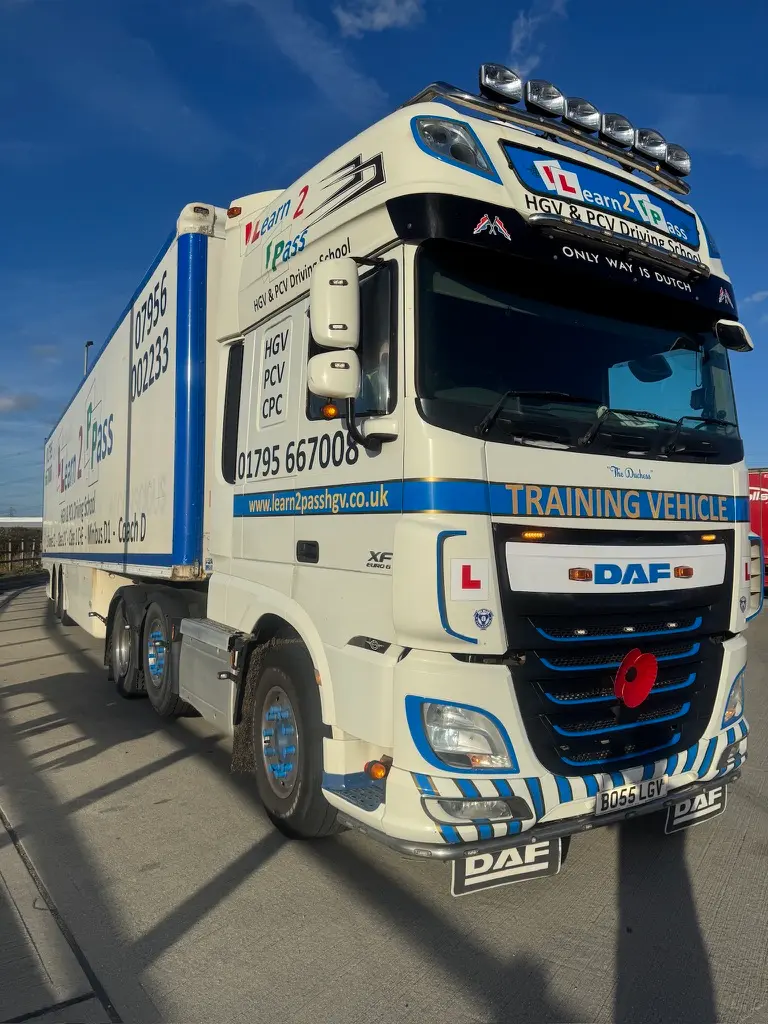
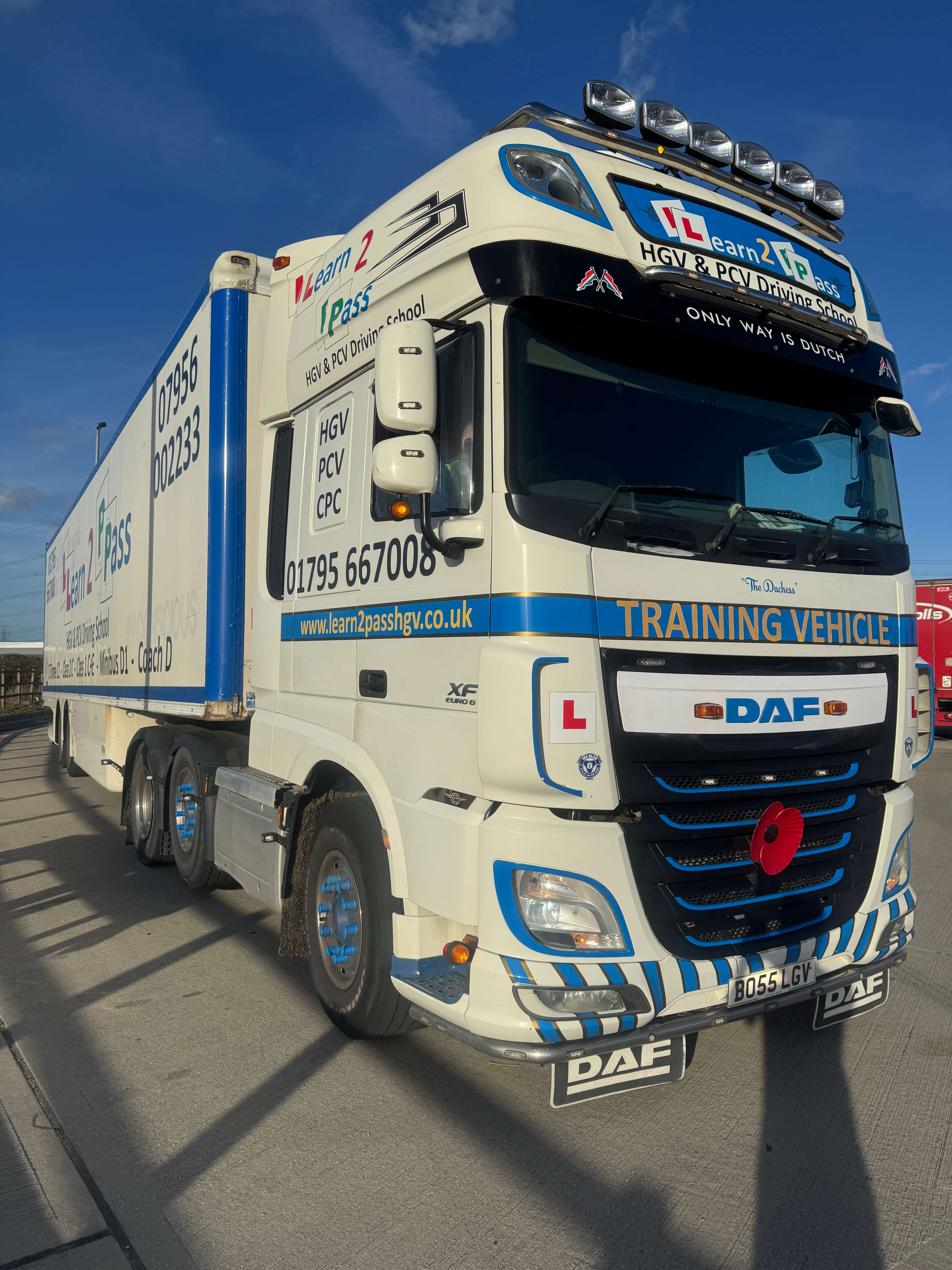
What do we mean by “full-size artics”?
A full-size articulated vehicle is representative of what most Class 1 drivers will encounter in real employment. These vehicles typically involve:
- Standard-length trailers
- Realistic axle positions and pivot points
- Full turning circles and swing
- Genuine weight distribution and braking characteristics
In short, they behave like the vehicles used by logistics firms, haulage operators, supermarkets, and national distribution networks.
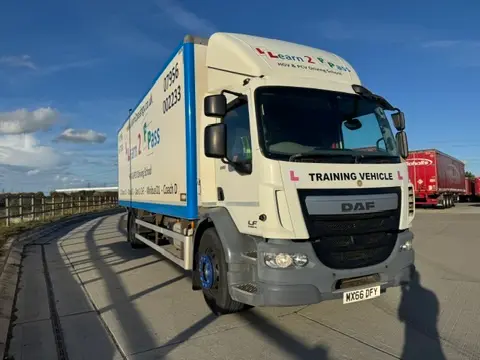
Smaller or shortened artics, sometimes referred to as “urban artics”, are easier to manoeuvre, more forgiving in tight spaces, and cheaper to run. While they have a place in limited environments, they do not accurately reflect the demands of most Class 1 driving roles.
Why some training schools avoid full-size artics
The reasons are largely practical and commercial rather than educational.
Full-size articulated vehicles are:
- More expensive to purchase
- More expensive to maintain
- Less forgiving for inexperienced drivers
- Harder to train on properly
They also require instructors who are confident managing real-world driving scenarios rather than simplified exercises. For some schools, especially those operating at volume or on tight margins, smaller vehicles reduce risk and operating costs.
The trade-off is that learners may pass a test without ever having driven something that truly reflects the job they are training for.
The impact on test performance
DVSA driving tests are designed to assess whether a candidate can safely control a vehicle in real conditions. This includes judgement, positioning, mirror use, anticipation, and control through junctions, roundabouts, and confined areas.
Training on a full-size artic means:
- You learn correct positioning from day one
- You understand trailer swing and off-tracking properly
- You develop spatial awareness that transfers directly to test conditions
- The test vehicle does not feel unfamiliar on the day
Learners who train on smaller vehicles can sometimes struggle when they encounter full-scale dimensions later, whether during a test, a retest, or their first job.
Confidence doesn’t come from shortcuts
Confidence in HGV driving isn’t about being made comfortable early on. It’s about being properly prepared.
Training on a full-size artic builds:
- Real confidence rather than artificial confidence
- Muscle memory that translates directly into employment
- Calm decision-making under realistic pressure
This is especially important for drivers progressing from Class 2 to Class 1, where the jump in vehicle behaviour is significant.
Why employers care how you were trained
From an employer’s perspective, the cost of taking on a newly qualified driver isn’t just wages. It includes:
- Insurance risk
- Vehicle damage risk
- Reputation and compliance
- Ongoing supervision
Employers want drivers who are job-ready, not drivers who need to be retrained or closely monitored for weeks.
This is why many logistics and haulage companies look beyond whether a candidate simply “has a licence”. They ask where the driver trained, what vehicles were used, and how prepared the driver is for real operations.
Like-for-like training leads to trust
Training on full-size articulated vehicles creates a like-for-like transition between training and employment. That consistency is one of the main reasons employers are willing to form exclusive or preferred partnerships with training providers who take this approach.
From an employer’s point of view, it reduces uncertainty. They know that drivers coming through have:
- Driven vehicles of comparable size and handling
- Been trained to commercial standards
- Experienced realistic manoeuvres and routes
- Developed habits that align with professional driving
That trust doesn’t come from marketing claims. It comes from outcomes over time.
Short-term savings vs long-term outcomes
Cheaper or shorter courses can look attractive at first glance. However, they can sometimes lead to:
- Lower first-time pass rates
- Additional retests
- Longer gaps before employment
- Loss of confidence when starting work
Proper training is an investment, not just in passing a test, but in becoming employable and staying employable.
Our approach
We use full-size articulated vehicles because we believe HGV training should reflect the reality of the job, not a simplified version of it.
Our focus is on:
- Preparing drivers for real driving, not just test routes
- Producing safe, confident, employable drivers
- Maintaining the standards that employers expect
- Building long-term relationships with logistics partners
That approach is also why employers trust the drivers we put forward and why partnerships are built on consistency rather than promises.
Choosing the right training matters
If you are considering Class 1 HGV training, it’s worth asking one simple question:
“Am I training in the vehicle I’ll actually be driving once qualified?”
The answer to that question often tells you more than a price list ever could.