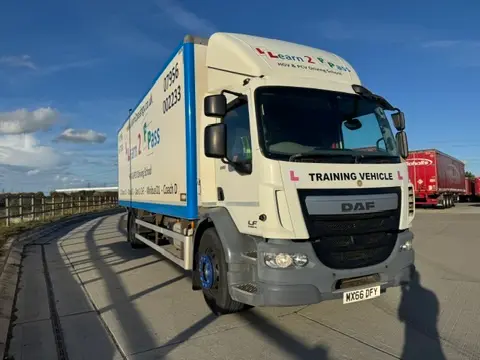
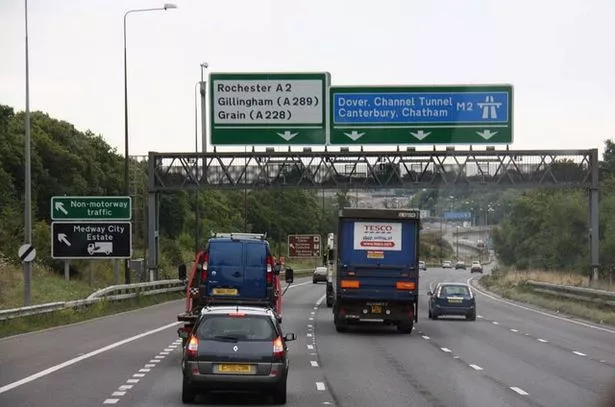
The UK HGV Industry in 2026: Salaries, Shortages and Opportunities
Overview of UK HGV industry in 2026: salaries, shortages, ageing workforce and training opportunities

Why HGVs still matter in 2026
Heavy goods vehicles remain the backbone of the UK’s freight system in 2026. Official freight statistics show that in 2024 around 82% of domestic freight in Great Britain was moved by road, with only 10% by water and 8% by rail. Road transport has held the dominant share for more than two decades, and there is no sign of a structural shift away from HGVs in the near term.
Industry summaries from the Road Haulage Association reinforce the scale of this sector. They report tens of thousands of road freight enterprises, hundreds of thousands of HGVs on the road and well over half a million people whose work is tied directly to HGV operations and related logistics roles. Food supply, retail distribution, pharmaceuticals, building materials and online retail all depend on reliable HGV capacity. When the supply of qualified drivers tightens, the impact is felt quickly in supermarket shelves, fuel deliveries and construction schedules.
The shape of the HGV workforce
Recent labour force data and industry reports paint a consistent picture of the HGV driver population. Logistics UK’s Skills and Employment Updates and RHA publications indicate that the average age of an HGV driver is now around the high forties, and that more than half of drivers are aged 50 or over. Less than 1% of drivers are under 25, which means very few young workers are entering the industry relative to the number who will retire over the next decade.
This age profile is the single biggest structural pressure on the UK HGV labour market. Even where total driver numbers have recovered from the worst of the 2021 shortage, a workforce concentrated in the 50 to 65 age band inevitably points toward a replacement challenge.
Is there still an HGV driver shortage?
The acute crisis of 2021, when empty shelves and fuel queues dominated the news, has eased. Driver numbers increased through 2023 and 2024, and some vacancy rates have fallen from their peak. Logistics UK reports that HGV driver numbers rose sharply across the 12 months to the end of the third quarter of 2024, yet still warns against complacency because recruitment remains difficult and the workforce is ageing.
Department for Transport statistics on HGV driver vacancies show that by the fourth quarter of 2024 about one quarter of HGV businesses were still reporting driver vacancies, even after a small improvement from the previous quarter. Other analyses suggest the UK must now train in the region of 60,000 new drivers per year to meet demand and replace those leaving or retiring. Shortages are therefore less visible day to day, but the underlying gap between supply and demand for drivers has not disappeared.
HGV driver pay in 2026
Pay is one of the main questions for anyone considering HGV training. The National Careers Service and other careers platforms still give a broad range of about £27,000 to £47,000 per year from entry level to experienced HGV drivers.
More granular salary trackers and industry guides for 2025 and early 2026 refine this picture. Glassdoor’s aggregated data for January 2026 shows an average HGV driver salary of about £32,900 per year, with most drivers falling between roughly £27,000 and £41,500, and top earners reporting figures above £55,000. Specialist HGV training providers and logistics labour market analyses now routinely describe a split where:
- Category C (Class 2) drivers often earn around £30,000 to £36,000 in full time roles.
- Category C+E (Class 1) drivers more commonly sit in the £38,000 to £50,000 or more range, depending on shifts, nights, weekends and long distance work.
These ranges are influenced by region, type of work and overtime. In high demand regions such as the South East and around major logistics hubs, total annual earnings for experienced Class 1 drivers, including enhancements and overtime, frequently reach into the mid forty thousand pound band. From a career change perspective, that level of income is materially higher than many retail, warehouse or low level office roles, which is why HGV driving now appears in media lists of attractive second act jobs for people in their forties and fifties who do not hold a degree.
Diversity and new entrants
The demographic challenge is not just about age. HGV driving remains one of the most male dominated occupations in the UK. A range of industry sources and surveys through 2024 and 2025 put female representation among HGV drivers at roughly 1 to 2 percent. That figure has moved only slowly despite industry campaigns encouraging more women into driving.
At the younger end of the workforce, participation remains low. Commentary from hauliers and trade bodies repeatedly highlights that less than 1% of drivers are under 25 and that under 35 participation is declining, even as some initiatives bring in new entrants. The combination of an ageing workforce, a very small female cohort and limited inflow of younger drivers means the pool of potential recruits is far from saturated. For individuals in under-represented groups, particularly women and younger workers, there is clear headroom to enter and progress.
Technology, decarbonisation and the future of HGV work
There is significant activity around decarbonising road freight, especially through electric and hydrogen HGV pilots, charging infrastructure projects and revised emissions targets. Governments and manufacturers are investing heavily in battery electric trucks and associated charging networks, with the UK participating in Europe-wide corridor projects.
These developments will change the nature of vehicles and depot infrastructure, yet they do not remove the need for professional drivers in the foreseeable future. Autonomous heavy vehicles remain far from large scale deployment on the mixed, congested and often complex routes typical of UK logistics. The job still involves low speed manoeuvring, interactions on customer sites, variable loading and unloading arrangements and safety critical judgement in unpredictable environments. As a result, many economic commentators continue to place HGV driving in the category of work that is relatively difficult to automate completely compared with purely desk based roles.
What this means for someone considering HGV training in 2026
Taken together, the current evidence on the UK HGV industry in 2026 points in a clear direction. Road remains the dominant freight mode, with over four fifths of domestic freight moved by HGVs. Driver numbers have recovered from the sharp shortages of the early 2020s, but vacancy rates remain elevated and a large proportion of the workforce is in the 50 to 65 age band, which implies a steady stream of retirements over the next decade.
Recruitment difficulties are still being reported by a significant share of HGV businesses, even after targeted programmes and short term incentives. Pay has risen from pre-crisis levels and has stabilised in a range that is competitive for non-graduate careers, with mid-thirty to mid-forty thousand pound earnings realistic for many experienced drivers and higher figures available in specialist or unsocial hours roles.
Diversity and age statistics show that the industry is still drawing from a narrow slice of the available labour force. Women, younger people and mid-career changers remain under-represented relative to the scale of demand.
For someone weighing up HGV training in 2026, the picture is therefore one of a mature but essential industry that faces a long term succession problem rather than imminent decline. A Category C or C+E licence provides access to a large labour market where employers continue to compete for reliable, well trained drivers. The role is physically and mentally demanding and involves unsocial hours for many, so it is not a universal fit. For those who are comfortable with that trade-off, the combination of stable underlying demand, an ageing workforce and solid earnings potential means that HGV driving remains a credible, future-relevant career choice.
Find out more
Contact us today to find out more about becoming an HGV driver, see our HGV training options in Kent, or read more about Learn2Pass.